



Table of Content
How to Pack a Suitcase Efficiently for Travel

Packing efficiently starts before anything goes into the suitcase. Most overpacking happens because people pack for too many possibilities, not for the trip they are actually taking. A better approach is simpler: know what you need, choose the right suitcase, use the right packing method for each type of clothing, and build the suitcase in layers so nothing important gets buried. A well-packed suitcase takes up less space, stays easier to organize, and saves you from digging through everything to find one item mid-trip.
Plan What You Actually Need Before You Start Packing
The easiest way to pack a suitcase efficiently is to decide what belongs on the trip before you touch the suitcase. Space problems usually begin with unclear packing decisions, not with the suitcase itself.
Check Your Trip Length, Weather, and Activities
Start with the basics: how many days you will be away, what the weather looks like, and what you will actually be doing. A three-day city trip, a weeklong beach vacation, and a mixed business-and-leisure trip all require different packing logic.
These three details shape almost every packing decision that follows. If your days are mostly casual, you do not need multiple backup outfits “just in case.” If rain is likely, one lightweight waterproof layer may matter more than an extra pair of shoes. If you have one formal dinner, pack for that one event instead of building half your suitcase around unlikely plans.
Build a Packing List by Category
A category-based list keeps packing focused and prevents random extras from slipping in. It is usually easier to control quantity when you group by need.
A simple list might look like this:
- tops
- bottoms
- underwear and socks
- sleepwear
- shoes
- toiletries
- electronics
- documents
- weather layers
This method makes overpacking easier to catch. Five tops for a three-day trip may not seem excessive at first, but it looks very different once everything is grouped in one list.
Plan Outfits Instead of Packing Extra Pieces
Planning outfits is more efficient than packing separate pieces and hoping they work together later. When you pack by outfit, each item earns its place.
Think in terms of combinations, not categories alone. One pair of pants that works with three tops is better than three pairs that only work once. This cuts down volume and makes getting dressed easier once you arrive.
Cut Down on Duplicates With a Simple Travel Wardrobe
Most trips do not need duplicate versions of the same thing. You usually do not need two jackets, three handbags, or multiple pairs of bulky shoes unless the trip genuinely calls for them.
A simple travel wardrobe works best when pieces can repeat without looking repetitive. Neutral colors help, but the real goal is flexibility. The fewer “single-purpose” items you bring, the more space you save.
Choose the Right Suitcase Size for Your Trip
The right suitcase size makes efficient packing easier before you even begin. If the case is too small, everything becomes cramped. If it is too large, you are more likely to fill empty space with things you did not need.

Decide Between a Carry-On and a Checked Suitcase
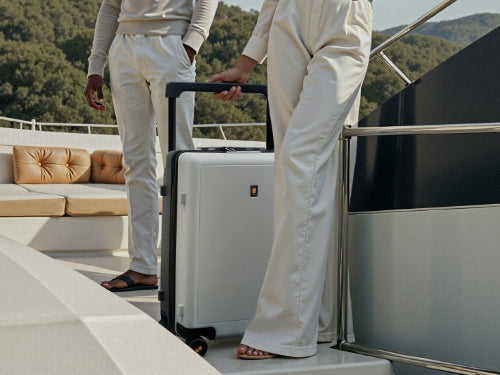
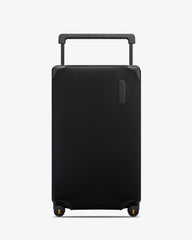
For short trips, a carry-on is often the most efficient choice because it forces clearer decisions and keeps essentials within reach. A structured carry-on like the Voyageur Carry-On 20'' fits this kind of trip well, especially when you want to pack neatly without wasting space on unnecessary extras.
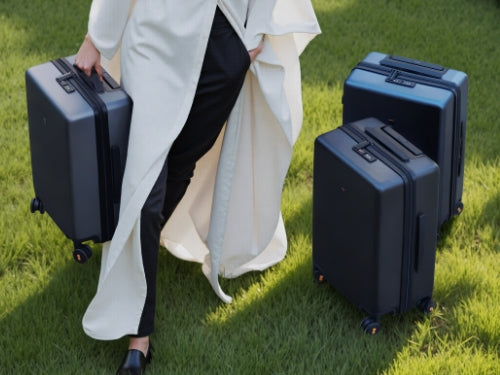
For longer trips, colder destinations, or travel that involves bulkier clothing, a checked suitcase is often the more practical choice. That is where a model like the Adventure Check-In 24''/28'' fits more naturally. Since it is designed as checked luggage rather than a cabin bag, it makes more sense for trips where packing space, easier access, and added flexibility matter more than keeping everything overhead.
Choose your suitcase based on how much you realistically need to bring. Trying to squeeze a longer or heavier trip into a carry-on often leads to overpacking and unnecessary hassle.
Check Airline Size and Weight Limits Before You Pack
A suitcase can be packed efficiently and still cause trouble if your carry-on luggage exceeds airline limits. Before you start, check both the size and weight rules for your airline, especially if you are flying with a strict carry-on allowance.
This matters even more on return trips. A bag that is acceptable when half full may become difficult once souvenirs, shopping, or trip extras come home with you.
Leave Extra Space for Souvenirs or Return-Trip Items
One of the smartest packing habits is to leave some room on purpose. An overfilled suitcase on the way out becomes a problem on the way back.
Even a small amount of extra space helps. It gives you room for laundry separation, destination purchases, or items that never fold quite the same way after use.
Use the Best Packing Method for Different Types of Clothing
There is no single best packing method for every item. Rolling, folding, compressing, and bundling each work better for different fabrics and shapes.
Roll Soft Everyday Clothes to Save Space
T-shirts, leggings, casual dresses, soft sleepwear, and light workout clothes usually roll well. Rolling saves space and helps smaller items fit into tighter sections of the suitcase.
It also makes it easier to see what you packed at a glance instead of lifting piles one by one.
Fold Structured or Wrinkle-Prone Items More Carefully
Button-down shirts, blazers, trousers, and dressier pieces usually do better when folded. These items hold lines and creases more obviously, so packing them flat is often worth the extra space.
If something wrinkles easily, pack it closer to the top or inside a garment folder rather than compressing it too aggressively.
Use Compression or Bundling for Bulkier Pieces
Bulky sweaters, denim, and outer layers take up space fast. Compression cubes or a careful bundling method can help reduce bulk without turning the suitcase into a mess.
Compression works best when used selectively. Over-compressing everything can make the case dense, heavy, and hard to reopen neatly.
Mix Packing Methods Instead of Using Just One
The most efficient suitcase usually uses more than one method. Roll soft layers. Fold structured clothing. Compress bulkier pieces only where it actually helps.
Using the same method for everything usually wastes space somewhere or leaves certain clothes more wrinkled than they need to be.
Pack Your Suitcase in the Right Order to Save Space
Packing order matters because heavier, denser items affect both stability and usable space. Start with the hardest items to place, then build around them.

Start With Shoes, Toiletries, and Other Heavy Items
Shoes, toiletry bags, and denser accessories should go in first. These are the least flexible items in terms of shape, so they are easier to place before softer clothing fills the case.
Shoes are often best packed along the edges or near the wheel base. Toiletries should be sealed well and placed where they are secure, not loose between clothes.
Place Larger Clothing Items at the Bottom
Once heavy items are in, add larger clothing pieces. Pants, dresses, and sweaters can create the main layer of the suitcase and help stabilize everything underneath.
This creates a cleaner base for smaller categories later.
Add Smaller Essentials Into Empty Gaps
Efficient packing often comes down to gap use. Socks, belts, chargers, underwear, and smaller accessories can fill the spaces between shoes and larger clothing pieces.
Those small areas add up. Leaving them empty is one of the easiest ways to waste space.
Keep Delicate or Frequently Used Items Near the Top
Anything fragile, wrinkle-prone, or likely to be needed soon should stay near the top. This includes a nicer shirt for arrival, a light cardigan, or an item you may want before fully unpacking.
Packing efficiently is not only about squeezing more in. It is also about not having to unpack half the suitcase to reach one thing.
Use Packing Cubes and Organizers to Keep Everything Easy to Find
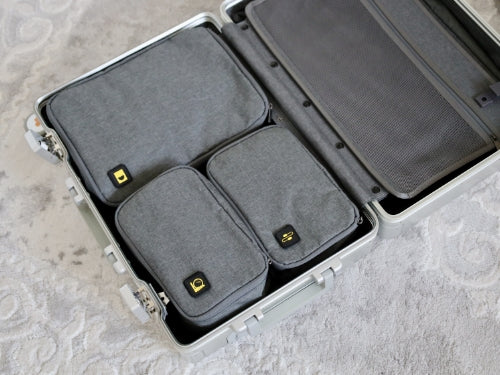
Packing cubes will not give you extra space, but they do make the space you have easier to manage. Their real value is control.
Separate Clothes by Type, Outfit, or Travel Day
Packing cubes work best when they match how you think during the trip. Some travelers prefer one cube for tops and one for bottoms. Others prefer full outfits grouped. On longer trips, dividing by day can also work well.
Any of these methods is fine. The point is to avoid turning the suitcase into one large mixed pile.
Use Small Pouches for Tech, Toiletries, and Accessories
Loose cables, jewelry, adapters, cosmetics, and grooming items tend to scatter fast. Small pouches solve that problem and make unpacking much easier.
They also help at security checkpoints or in hotel rooms, where small items are easiest to lose.
Keep Dirty Laundry Separate During the Trip
Dirty laundry expands the feeling of mess much faster than clean clothes do. A simple laundry pouch or spare bag keeps worn items contained and prevents them from mixing back into the main packing system.
This becomes even more useful on multi-stop trips where you are opening and closing the suitcase repeatedly.
Conclusion
Packing a suitcase efficiently is less about fitting more in and more about packing with purpose. Plan for the trip you are actually taking, choose a suitcase that matches the trip length, use different packing methods for different clothes, and build the suitcase in layers so heavy items, delicate pieces, and daily essentials all have a logical place. Once you know what needs to go, packing becomes simpler and the suitcase stays easier to manage.
FAQ
Is It Better to Roll or Fold Clothes in a Suitcase?
Rolling is usually better for soft everyday clothes, while folding is better for structured or wrinkle-prone items. Most travelers get the best results by using both methods in the same suitcase rather than choosing only one.
How Do You Pack a Suitcase Efficiently for One Week?
For a one-week trip, plan outfits in advance, limit duplicate items, and use a category-based packing list. Choose versatile clothes that can repeat, pack only the shoes you actually need, and leave a little extra room for the return trip.
What Should Not Go in a Checked Suitcase?
Important documents, medications, valuables, electronics you cannot replace easily, and anything fragile should usually stay out of checked luggage. If you need it urgently or would be frustrated to lose it, it is better kept in your carry-on or personal item.
How Do You Pack a Carry-On Without Wasting Space?
Use a smaller packing list, choose compact shoes, roll soft clothing, fill gaps with smaller items, and keep bulky “just in case” pieces to a minimum. Carry-ons reward discipline more than any other type of suitcase.

Leave a comment